
Where to Buy Formply in Australia Without Delays or Shortages
The fastest way to avoid delays is to buy from suppliers that publish live availability (or confirm it in writing), offer consistent sheet quality, and can deliver to site within a defined window. The rest of this guide explains where Australians typically buy formply reliably, and what to check before they pay.
What is formply, and why do shortages happen?
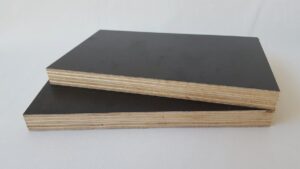
Formply is a resin faced plywood designed for concrete formwork, usually with a phenolic film and sealed edges. It is popular because it is strong, reusable, and easier to strike than raw ply, which is why many contractors plan ahead when they need to buy Formply for upcoming projects.
Shortages happen when construction demand spikes, imports slow, or mills prioritise other plywood lines. Even when sheets exist “somewhere,” delays often come from internal transfers between branches, limited truck capacity, or suppliers overselling stock that is not actually in their yard.
Where do they buy formply fastest when time matters?
They usually buy from major timber and trade networks with multiple branches, dedicated trade counters, and established freight routes. These suppliers tend to move volume, which improves turnover and reduces the chance of old, warped, or damaged packs sitting for months.
In most metro areas, same week delivery is often achievable if they order early, accept a full pack where possible, and confirm both the sheet spec and the pickup or delivery date before payment.
Which national chains are most reliable for avoiding stockouts?
National timber and building supply chains are often the safest option when schedules are tight because they can source from several warehouses and shift stock between branches.
Common places they check first include:
- Bowens (VIC focused, strong trade logistics)
- Inex / Neumann Steel’s Inex (varies by region, trade supply focus)
- Dindas (VIC, strong timber range)
- Big River Group outlets and distributors (industrial timber, project supply)
- Bunnings Trade (convenient, but stock depth varies by store)
Reliability still depends on branch inventory, so they should treat “available online” as a starting point, not proof of a reserved pack.
Are specialist formwork and concrete supply yards a better bet?
Often, yes. Specialist formwork suppliers tend to carry the grades and thicknesses used daily on slab and wall work, and they usually understand turnaround pressures.
They are also more likely to stock compatible accessories and consumables, which reduces extra trips. The trade off is that pricing can be higher in peak periods, and minimum order values or delivery zones can apply.
When should they buy from timber wholesalers instead of retail?
They should buy from wholesalers when the job needs consistent sheets, repeat supply, or pack level purchasing. Wholesalers are typically better at confirming batch consistency, providing pack counts, and arranging predictable freight for larger orders.
It also helps when they need documentation, specified branding, or a known performance history for re use cycles. For small top ups, retail can be faster, but it is more vulnerable to “last few sheets” quality issues.
How can they confirm stock before they pay?
They should ask for confirmation in writing that includes the exact spec, quantity, and location. A quick phone call is not enough when multiple branches share a website listing.
A simple checklist they can use:
- Confirm thickness (commonly 17 mm) and sheet size
- Confirm F grade and whether it is structural rated
- Confirm film type (phenolic) and edge sealing
- Ask if it is in yard now or an inbound transfer
- Get a pickup time or delivery window in writing
- Ask whether they are allocating a full pack or broken pack
If a supplier cannot confirm those basics, delays are likely.
What specs should they check to avoid “wrong sheet” delays?
Wrong spec is a hidden cause of shortages because they end up re ordering. They should verify the product matches the formwork system and the pour type.
Key items to verify:
- Thickness required by their frames and spans
- Stress grade / structural rating where applicable
- Slip resistance if sheets are used as temporary platforms
- Edge seal quality to reduce water ingress and swelling
- Brand consistency if they need predictable re use cycles
If the supplier only says “formply is formply,” it is a red flag.
Is online ordering safe for formply, or does it create more delays?
Online ordering can be fast if the supplier reserves stock and provides a real dispatch date. It creates delays when the website reflects state wide inventory, not the local yard, or when orders are “accepted” but not allocated.
They should only treat online checkout as reliable when they receive a follow up allocation message, a delivery booking, or a pick slip style confirmation. Otherwise, they should call trade support and get the pack held under their name. You may like to visit https://www.qld.gov.au/law/your-rights/consumer-rights-complaints-and-scams/product-safety-for-consumers/safety-advice-and-warnings/buying-online to get more about safe online buying.
How do they avoid damage and warped sheets on delivery?
They should request delivery from a fresh pack, ask for sheets to remain banded where possible, and ensure unloading is planned. Formply is heavy, and poor handling ruins edges and faces quickly.
If they cannot inspect before the driver leaves, they should at least photograph the pack, the bands, and any visible corner damage immediately. Most suppliers respond better when they get time stamped proof the same day.
What is the simplest buying plan to avoid shortages?
They should buy earlier than they think, buy by the pack if feasible, and use one supplier per project stage. Mixing brands and batches increases waste and slows install.
A practical approach is:
- Confirm spec and availability in writing
- Reserve a pack or allocate sheets to the order
- Book delivery for the day before install
- Inspect quickly and document issues immediately
That process prevents most “no show” and “wrong stock” headaches and keeps pours moving.
More to Read : Why LVL Construction Materials Are Replacing Traditional Timber
FAQs (Frequently Asked Questions)
What is formply and why do shortages occur in the construction industry?
Formply is a resin faced plywood designed for concrete formwork, typically featuring a phenolic film and sealed edges. It is valued for its strength, reusability, and ease of striking compared to raw plywood. Shortages happen due to spikes in construction demand, slowed imports, or mills prioritizing other plywood lines. Additional delays often stem from internal stock transfers, limited truck capacity, or suppliers overselling unavailable stock.
Where can builders buy formply quickly to avoid project delays?
Builders usually purchase formply from major timber and trade networks with multiple branches, dedicated trade counters, and established freight routes. These suppliers have high volume turnover that reduces the chance of damaged or old stock. In metropolitan areas, same-week delivery is often possible if orders are placed early, full packs are accepted when feasible, and both sheet specifications and delivery dates are confirmed before payment.
Which national chains are most reliable for sourcing formply without stockouts?
National timber and building supply chains are generally the safest options when schedules are tight because they can source from multiple warehouses and transfer stock between branches. Common reliable suppliers include Bowens (VIC focused), Inex / Neumann Steel’s Inex (regional variation), Dindas (VIC), Big River Group outlets and distributors (industrial timber), and Bunnings Trade (stock depth varies by store). However, online availability should be treated as a starting point rather than guaranteed reserved stock.
How can buyers confirm formply stock availability before making payment?
Buyers should request written confirmation specifying the exact thickness (commonly 17 mm), sheet size, F grade, structural rating if applicable, phenolic film type, edge sealing quality, current yard location versus inbound transfers, pickup time or delivery window, and whether the order includes a full pack or broken pack. Verbal confirmation or website listings alone are insufficient since multiple branches may share inventory listings. Without this detailed confirmation in writing, delays are likely.
What specifications should be verified to avoid receiving the wrong formply sheets?
To prevent wrong sheet delays, verify that the product matches the formwork system and pour type requirements. Important specs include required thickness based on frames and spans; stress grade or structural rating; slip resistance if used as temporary platforms; edge seal quality to minimize water ingress and swelling; and brand consistency to ensure predictable reuse cycles. Suppliers who claim “formply is formply” without these details raise red flags.
What is the best buying strategy to avoid formply shortages on construction projects?
The simplest buying plan involves purchasing earlier than anticipated, buying by full packs when possible, and using a single supplier per project stage to maintain brand and batch consistency. The recommended process includes confirming specifications and availability in writing; reserving a pack or allocating sheets specifically to the order; booking delivery for the day before installation; promptly inspecting delivered sheets; and documenting any issues immediately. This approach minimizes “no show” or “wrong stock” problems and keeps concrete pours on schedule.
