
Why LVL Construction Materials Are Replacing Traditional Timber
Traditional sawn timber still has a place, but LVL is increasingly the default when structural reliability, speed, and consistency matter most.
What exactly is LVL, and how is it made?
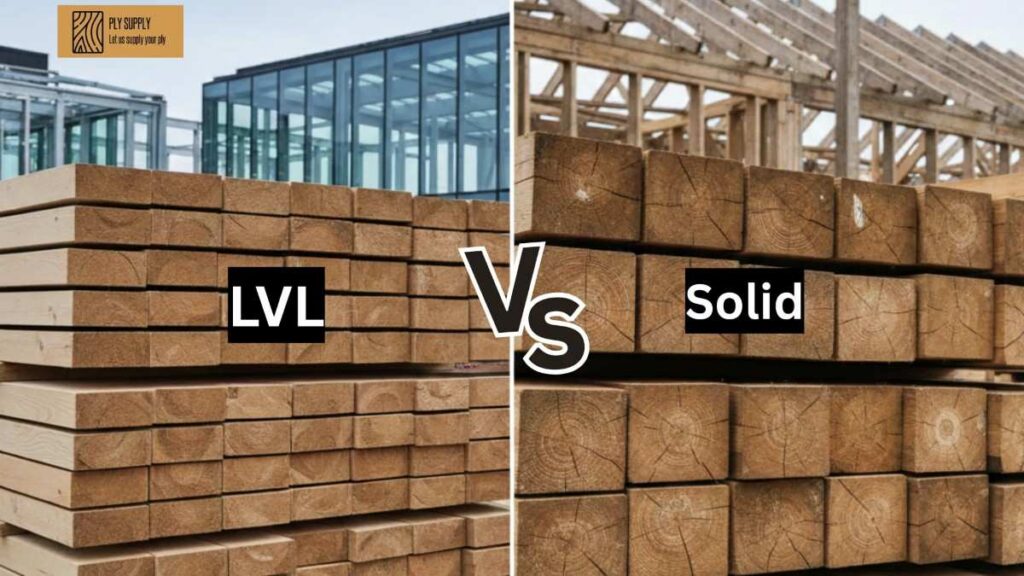
LVL Construction often relies on engineered wood products like LVL, which is made by bonding thin wood veneers together with durable adhesives. The veneers are stacked so the grain runs mainly in the same direction, creating a member that behaves like a highly refined, more uniform piece of timber.
Because the material is manufactured under controlled conditions, LVL tends to arrive straighter and more consistent than many comparable sawn options.
Why is LVL considered stronger and more reliable than traditional timber?
LVL is valued for consistency. Natural timber strength varies because knots, grain deviation, and moisture differences can change how a piece performs. LVL spreads natural defects across multiple layers, which typically reduces weak points in any single location.
That predictability is useful for structural elements like beams, lintels, rim boards, and heavily loaded studs where design assumptions need to match site reality.
How does LVL help with straighter walls and fewer on-site problems?
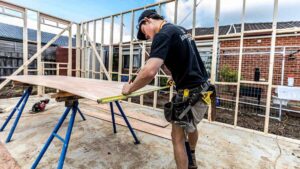
LVL is typically manufactured to tight tolerances, so it tends to be straighter and more dimensionally stable than many sawn members. That can mean fewer bowed studs, less time spent sorting piles, and fewer surprises when lining and cladding go on.
When framing is straighter, follow-on trades often benefit too, since plasterboard, cabinetry, and finishes rely on flat, true substrates.
Why are longer spans pushing builders toward LVL?
Many modern layouts use open-plan spaces, wider door openings, and large window areas. Those designs often require members that can span further without excessive depth or deflection.
LVL is frequently chosen because it can deliver high strength in relatively slim sections, helping designers meet structural demands while keeping ceilings, bulkheads, and floor build-ups easier to manage.
Does LVL handle shrinkage, twisting, and warping better?
LVL generally performs better than typical green or variable-grade timber when it comes to twisting and warping, largely because of its layered construction and controlled moisture content at manufacture.
That said, it is still wood, so it still responds to moisture. Good detailing matters, including keeping it dry during storage, sealing cut ends where recommended, and following installation guidelines.
Is LVL faster to build with than traditional timber?
LVL can speed up work because there is less time spent selecting straight pieces and less rework caused by movement or inconsistencies. When members arrive predictable, crews can frame to plan more confidently and keep tolerances tighter.
They may also find scheduling easier, since engineered products are often ordered to specific sizes and quantities, reducing last-minute substitutions.
How does LVL reduce waste and improve material efficiency?
LVL typically uses logs more efficiently than sawn timber because veneers can be produced from a broader range of timber resources, and the manufacturing process can optimise yield. The result is often less waste per unit of structural capacity delivered.
On site, waste can also drop when framing needs fewer rejected pieces and fewer corrective fixes, especially on walls and long runs where straightness matters. Click here to get more about building and construction.
What are the common downsides or limits of LVL?
LVL is not perfect. It can cost more upfront than some traditional timber options, especially where structural demands are modest. It also needs proper protection from moisture, since prolonged wetting can cause swelling, staining, or adhesive-line issues if mishandled.
Fire, acoustic, and termite performance depend on the overall system design, so they still need compliant detailing rather than assuming the product alone solves everything.
Where is LVL most often replacing traditional timber?
LVL commonly replaces traditional timber in structural roles where performance and straightness have a clear payoff. Typical applications include floor beams, roof beams, lintels over large openings, garage door headers, rim boards, and high-load wall members.
In many builds, it is used selectively, with standard timber still used for non-critical framing where cost and availability remain attractive.
What should they check before specifying or buying LVL?
They should confirm the required structural grade, dimensions, and spans with the project engineer or designer, then match that to the manufacturer’s specifications. They should also check lead times, storage requirements, and any treatment needs for the site conditions.
If LVL is used externally or in wet-prone areas, they should verify the product is suitable and that detailing meets local code requirements. Check out more about where to buy Formply in Australia without delays or shortages.
So why is LVL replacing traditional timber overall?
LVL is replacing traditional timber because it gives builders a more consistent structural product with fewer defects, better straightness, and strong performance for modern spans. It also helps projects run smoother by reducing on-site sorting, rework, and variability.
For many teams, that reliability is worth the trade-off, especially as designs get larger, tolerances get tighter, and timelines get less forgiving.
FAQs (Frequently Asked Questions)
What is LVL (laminated veneer lumber) and how is it manufactured?
LVL is an engineered wood product made by bonding thin wood veneers together with durable adhesives. The veneers are stacked with the grain running mainly in the same direction, producing a strong, uniform timber-like member. Manufactured under controlled conditions, LVL arrives straighter and more consistent than many traditional sawn timber options.
Why is LVL considered stronger and more reliable compared to traditional timber?
LVL offers greater consistency because it spreads natural defects like knots and grain deviations across multiple layers, reducing weak points in any single location. This predictability makes LVL ideal for structural elements such as beams, lintels, rim boards, and heavily loaded studs where design assumptions must align with real-world performance.
How does using LVL contribute to straighter walls and fewer on-site construction issues?
LVL is manufactured to tight tolerances, resulting in straighter and more dimensionally stable members than many sawn timbers. This reduces bowed studs, minimizes sorting time on site, and prevents surprises during lining and cladding installation. Straighter framing also benefits subsequent trades like plasterboard fitting and cabinetry that rely on flat substrates.
Why are modern building designs pushing builders to choose LVL for longer spans?
Contemporary layouts often feature open-plan spaces, wider door openings, and large windows requiring structural members that span further without excessive depth or deflection. LVL delivers high strength in relatively slim sections, enabling designers to meet these demands while keeping ceilings, bulkheads, and floor build-ups manageable.
Does LVL handle shrinkage, twisting, and warping better than traditional timber?
Yes, due to its layered construction and controlled moisture content during manufacture, LVL generally performs better against twisting and warping than typical green or variable-grade timber. However, since it remains a wood product, proper detailing—such as keeping it dry during storage and sealing cut ends—is essential to maintain performance.
How does LVL reduce material waste and improve building efficiency compared to traditional timber?
LVL manufacturing optimizes yield by using veneers from a broader range of timber resources more efficiently than sawn timber. On-site waste decreases because framing requires fewer rejected pieces and less corrective work thanks to LVL’s straightness and consistency. This results in less material waste per unit of structural capacity delivered.
